

When your platform is failing, nothing else matters
Production outages, degraded performance, and unstable systems don’t just disrupt engineering; they impact revenue, customer trust, and leadership confidence. In these moments, speed and precision are critical.
Contact us
When this service is the right fit
You don't need a full transformation; you need stability, now.
Production outages are increasing in frequency
Your incident frequency is climbing with no clear resolution path
Systems degrade under real-world load
Performance drops when real-world traffic hits
Releases are blocked by architecture issues
Your team can't ship because the foundation isn't stable
Incident response is reactive, not controlled
You're fighting fires, not preventing them
On-call teams are overwhelmed or burning out
Your engineers are exhausted and losing confidence
Stability concerns are reaching the leadership level
The board or executives are asking hard questions
What Waverley delivers, fast
We focus on outcomes, not activity. Every step is designed to restore stability and reduce risk immediately.
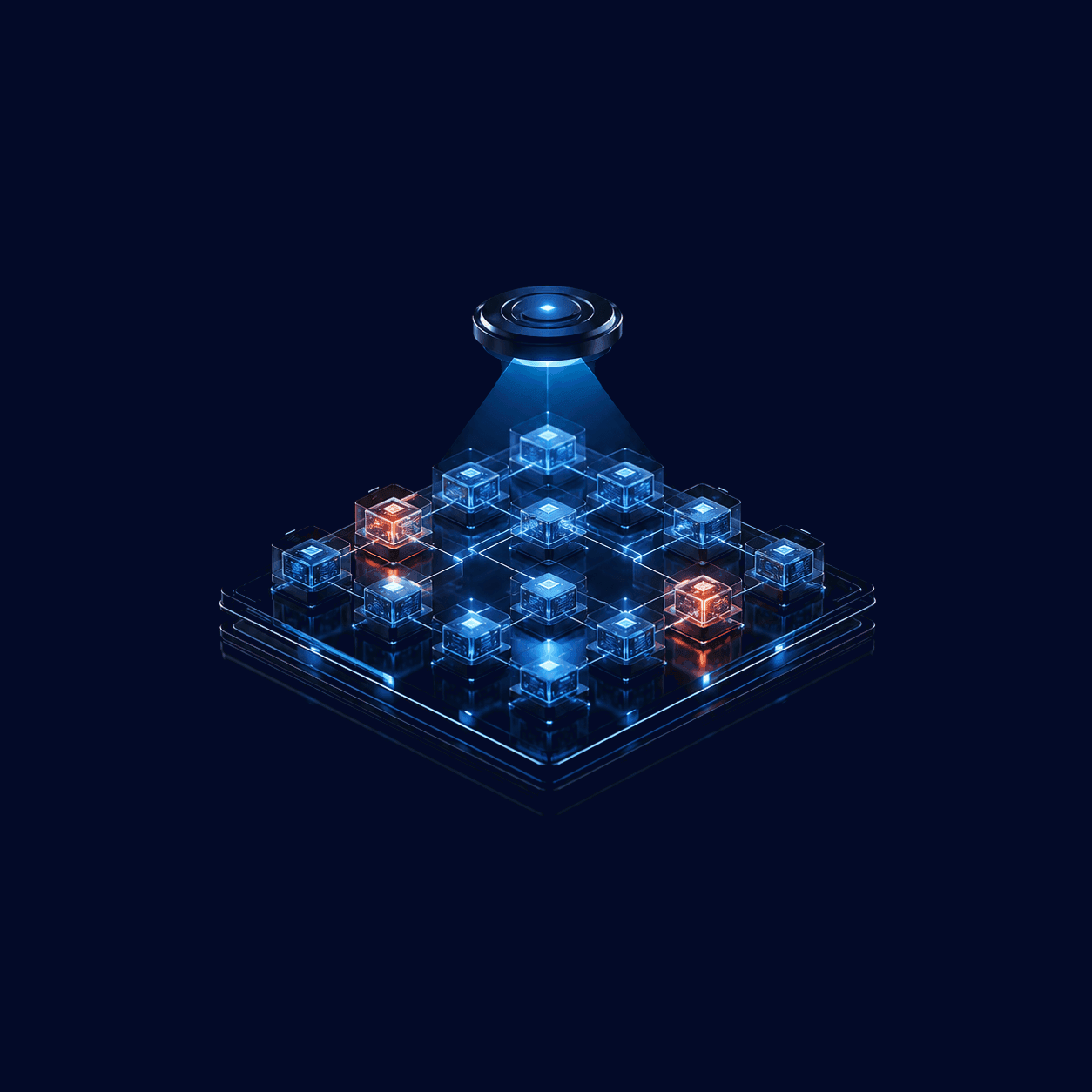
Identify failure points across complex architectures quickly
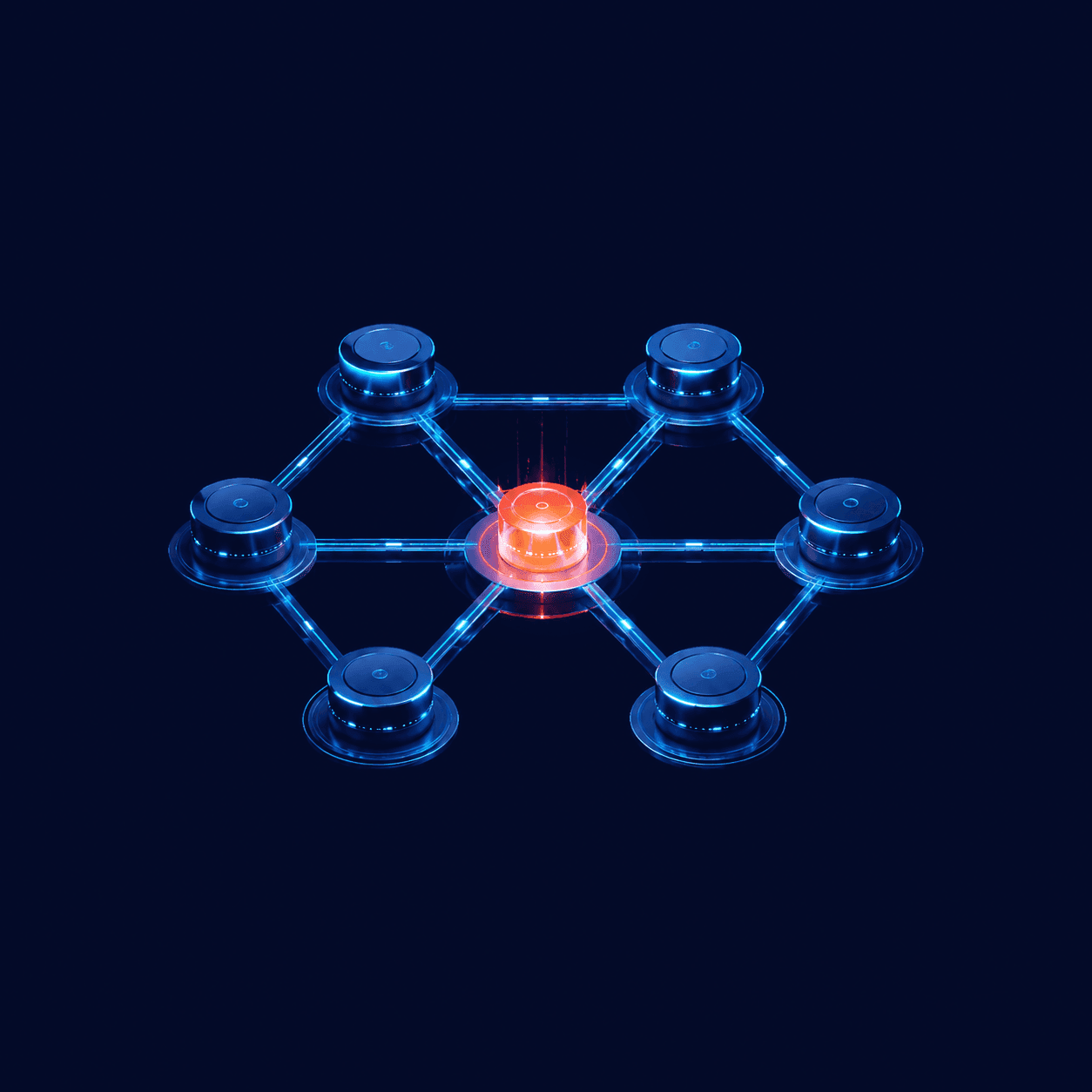
Focus on fixing underlying issues, not recurring symptoms
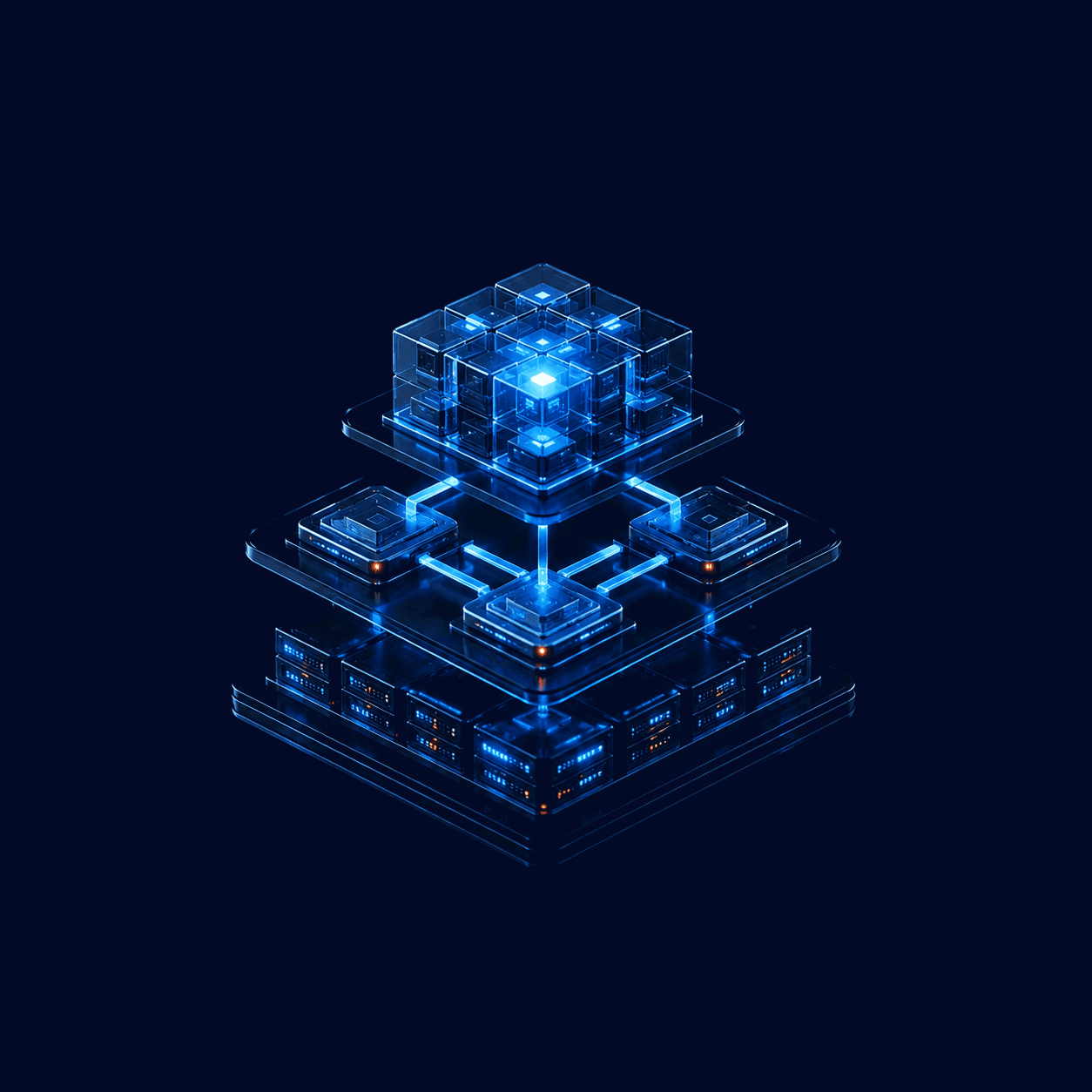
Remove immediate bottlenecks and risks
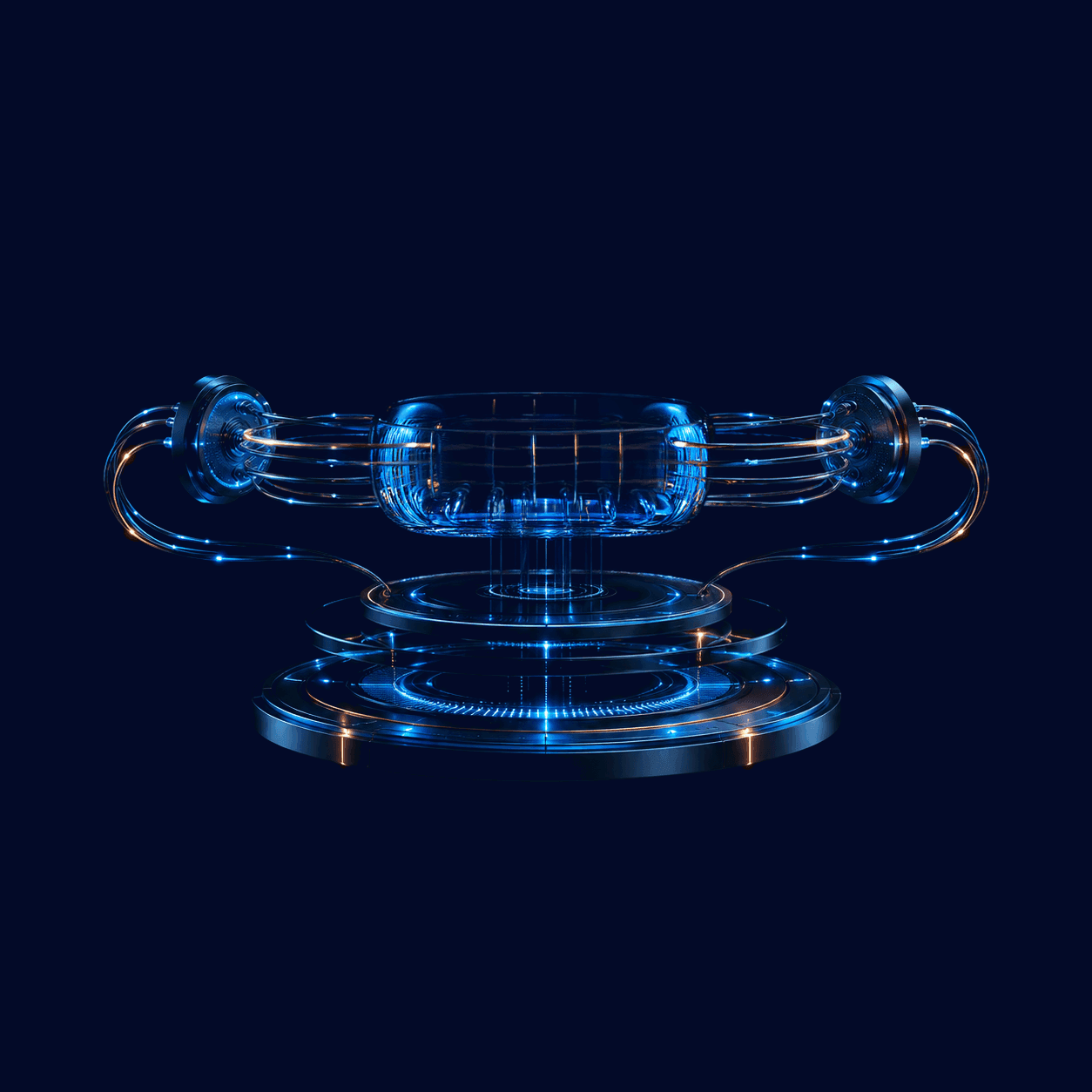
Stabilize systems under real-world load
Know exactly what to fix next (and why)

Gain visibility and control over system behavior
Restore stability, eliminate revenue-impacting failures, and regain leadership confidence
Restore stability, eliminate revenue-impacting failures, and regain leadership confidence

Waverley's proven results across industries
Discover how we don't just diagnose problems, we resolve them under real-world pressure.
How the engagement works
A focused, high-intensity engagement designed to deliver results quickly.
Immediate assessment and triage
We evaluate your system, incidents, and current risks
Deep root-cause analysis
We identify failure points across infrastructure, application, and architecture
High-impact fixes implemented
We prioritize and execute the changes that stabilize your platform fastest
Stability restored and risks reduced
Incident frequency drops, performance improves, and your team regains control
Why teams trust Waverley
Our Key Differentiators
Senior judgment where it matters most
We deploy experienced engineers who have worked on complex, high-stakes systems, not junior teams learning on your platform.
Mission-critical experience
We understand the pressure of operating systems in which downtime is unacceptable, and failures have real business consequences.
AI-driven, disciplined engineering
We apply modern, structured practices, including AI-assisted diagnostics where appropriate, without introducing unnecessary complexity or risk.
Real-world stabilization expertise
Our approach is grounded in hands-on experience stabilizing production systems, not theoretical best practices.
Where does this fit in your journey
Platform stabilization is often the first step when systems are under stress. Once stability is restored, you can move to further solutions:
AI-Enabled Legacy Modernization
We help organizations transform aging platforms that still run the business—but limit speed, scalability, and AI adoption. Our incremental approach modernizes architecture while keeping systems live and stable.
AI-Accelerated Product Development
Whether building new products or advancing existing ones, we help you move faster with AI-enhanced development, eliminating bottlenecks and driving velocity without sacrificing quality.
Fractional CTO / AI Leadership
Strategic technical leadership without the overhead of a full-time hire. We help guide your AI roadmap, make build-vs-buy decisions, and ensure your engineering organization is structured for success.
Frequently asked questions
What is platform stabilization, and why does it matter more now than ever?
Platform stabilization is the focused work of identifying failure points, isolating root causes, and fixing the underlying issues so your system works reliably under real-world conditions. When outages cost hundreds of thousands per hour, and your best engineers spend more time firefighting than shipping features, stabilization becomes the foundation on which everything else depends. Without it, you can't modernize, scale, or ship with confidence.
How is this different from the incident response we're already doing?
Incident response is reactive: something breaks, you fix it, it breaks again in six months. We work differently. We stop the current crisis, but more importantly, we identify why it happened and eliminate the root cause so it doesn't recur. You also gain a clear understanding of your architecture: what's fragile, why it's fragile, and what you need to stabilize before it breaks again.
What do you mean by "root cause"?
The difference between a symptom and a root cause: "Our database is slow" is a symptom. "We don't have connection pooling configured, our queries aren't indexed, and we scale horizontally with no load balancing" is the root cause. We fix root causes. That's how you stop spending the next two years patching the same problem.
How quickly can Waverley engage?
We typically start within days. Onboarding is streamlined because we come in focused on one thing: stabilizing your platform. Week one is assessment and early wins. You'll see incident frequency drop and performance improve immediately, not months from now.
Is our system too broken to stabilize?
We've worked on systems that were genuinely failing: monoliths that couldn't scale, inherited architectures nobody understood, databases designed for 100 users serving 100,000. The answer isn't whether it's fixable. It's whether you have the focused engineering effort to fix it right. If your incidents are multiplying and your team is burning out, stabilization is exactly what you need.
How do you measure whether you've succeeded?
Success is measurable. Incident frequency drops. Mean time to recovery (MTTR) improves. Systems respond predictably under load. Your on-call team sleeps through the night again. We track SLO compliance, incident severity, and MTBF-metrics that matter to your business, not academic measurements. By the end, your platform should work reliably enough that your leadership stops worrying about it.
How do you use AI in this work?
AI accelerates diagnosis: analyzing logs to surface patterns, correlating failures across systems, documenting architecture so knowledge doesn't walk out the door. But every architectural decision, every fix, every trade-off is made by experienced engineers using judgment. AI handles the tedium; engineering handles the thinking. Your system's fate doesn't rest on automation.
Why can't we just hire a senior engineer to fix this?
You could spend 12 months recruiting, onboarding, and getting someone ramped up on your architecture. We're here now, focused entirely on your problem, with nothing else competing for attention. We've worked on mission-critical systems at scale. We understand what it means to operate software where downtime is genuinely unacceptable. That experience matters when stakes are high.
Aren't you risking making things worse?
Risk is real, which is why we take it seriously. Every change is staged in non-production first. We run load testing and chaos engineering to validate fixes before they touch production. We maintain detailed rollback plans. We document every change so your team understands what changed and why. The bigger risk isn't a staged change breaking something; it's another major outage costing hundreds of thousands while you wait for a slow vendor or internal team to respond.
What if you realize the problem is a deep architecture issue?
We're honest about scope. Some problems truly need long-term modernization: a monolith that needs breaking apart, a database that needs replacing, an architecture fundamentally misaligned with your scale. In those cases, we don't pretend that a quick fix will solve it. We stabilize what you have so the system works reliably for the next 18-24 months while you plan proper modernization. You get breathing room and clarity about what's actually needed.
Once we're stable, what comes next?
That's your call. You might maintain and monitor (no further engagement needed). You might modernize strategically (AI-Enabled Legacy Modernization). You might strengthen technical leadership (Fractional CTO). The point is you'll decide from a position of strength, not crisis. Stability is the foundation. What you build on it is up to you.
Systems unstable or failing under pressure?
Get immediate clarity and a path to stability.